Capabilities
.svg)
Bring imaging and information into one platform, built around the case so teams can work with clarity and predictable flow.
Pathology economics improve when work is simplified and fragmentation is reduced. HyperPath brings information and imaging together into a single, modern platform designed around how cases actually move through a department—from intake to completion. This approach is the foundation of pathology workflow optimization.
We understand your focus isn’t just on images—it’s on delivering accurate diagnoses efficiently. While important, images are only one part of a broader process that includes assignment, review, and reporting. Our digital pathology platform is designed around the case as the unit of work, so departments can move cases through the system with clarity and predictability.
In practice, our case-centric workflow means:

When pathology workflows are fragmented across disconnected systems, departments lose capacity long before they hit staffing limits. Time is consumed navigating tools and reconciling information—not completing cases. That lost capacity directly affects turnaround times and throughput.
Improving pathology economics starts by restoring flow.
HyperPath replaces disconnected imaging viewers, workflow tools, and reporting systems with a single, integrated information and imaging pathology workflow platform. Instead of forcing teams to stitch together multiple systems, HyperPath provides a coherent workflow that supports every step from assignment to sign-out, all anchored to the case.
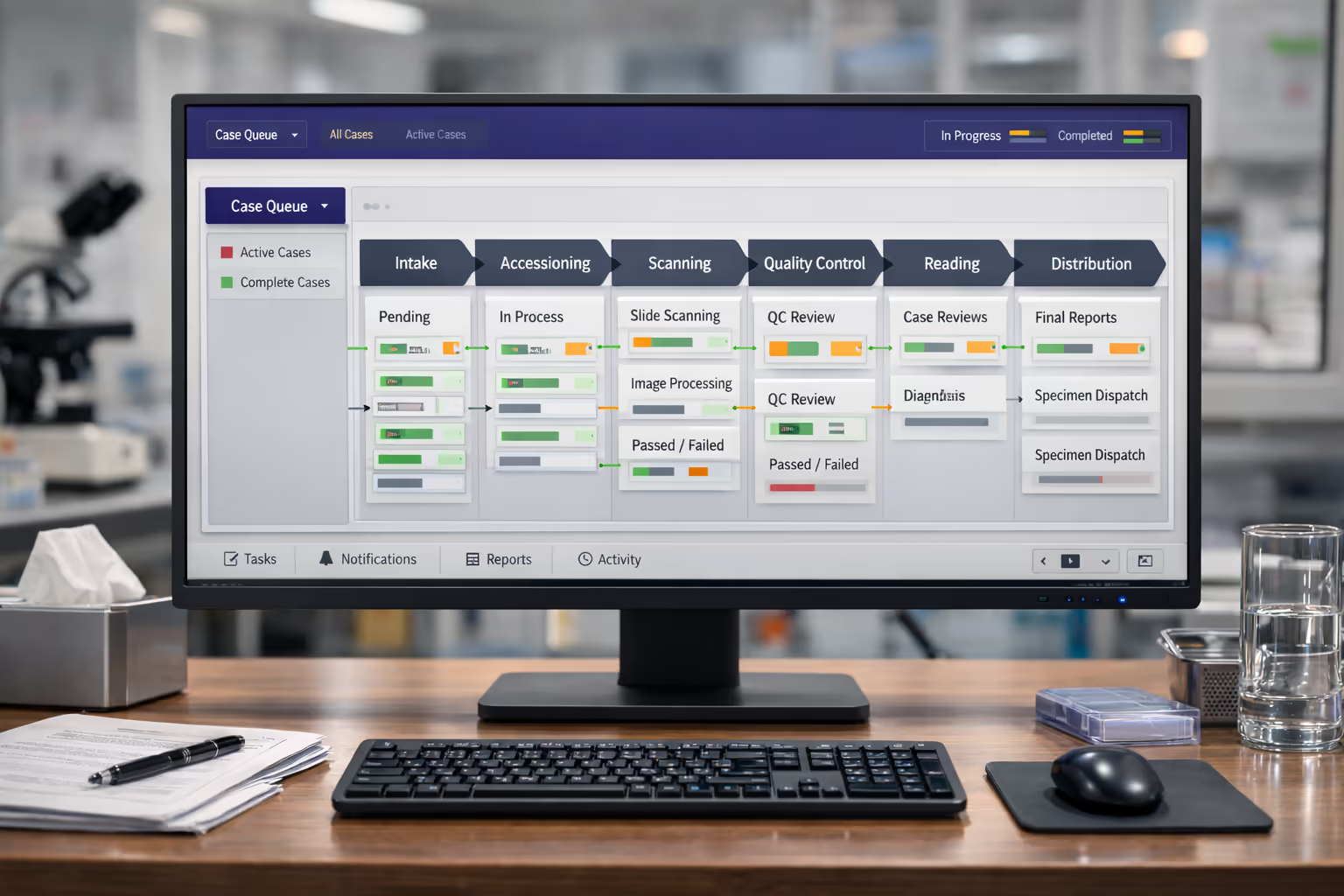
This platform approach enables departments to start where the impact is greatest and adopt additional capabilities over time, without disrupting existing operations.
HyperPath Core provides the foundation for your case-centric workflow. It gives your department clear visibility into case status, assignment, progress, and turnaround risk without adding complexity.
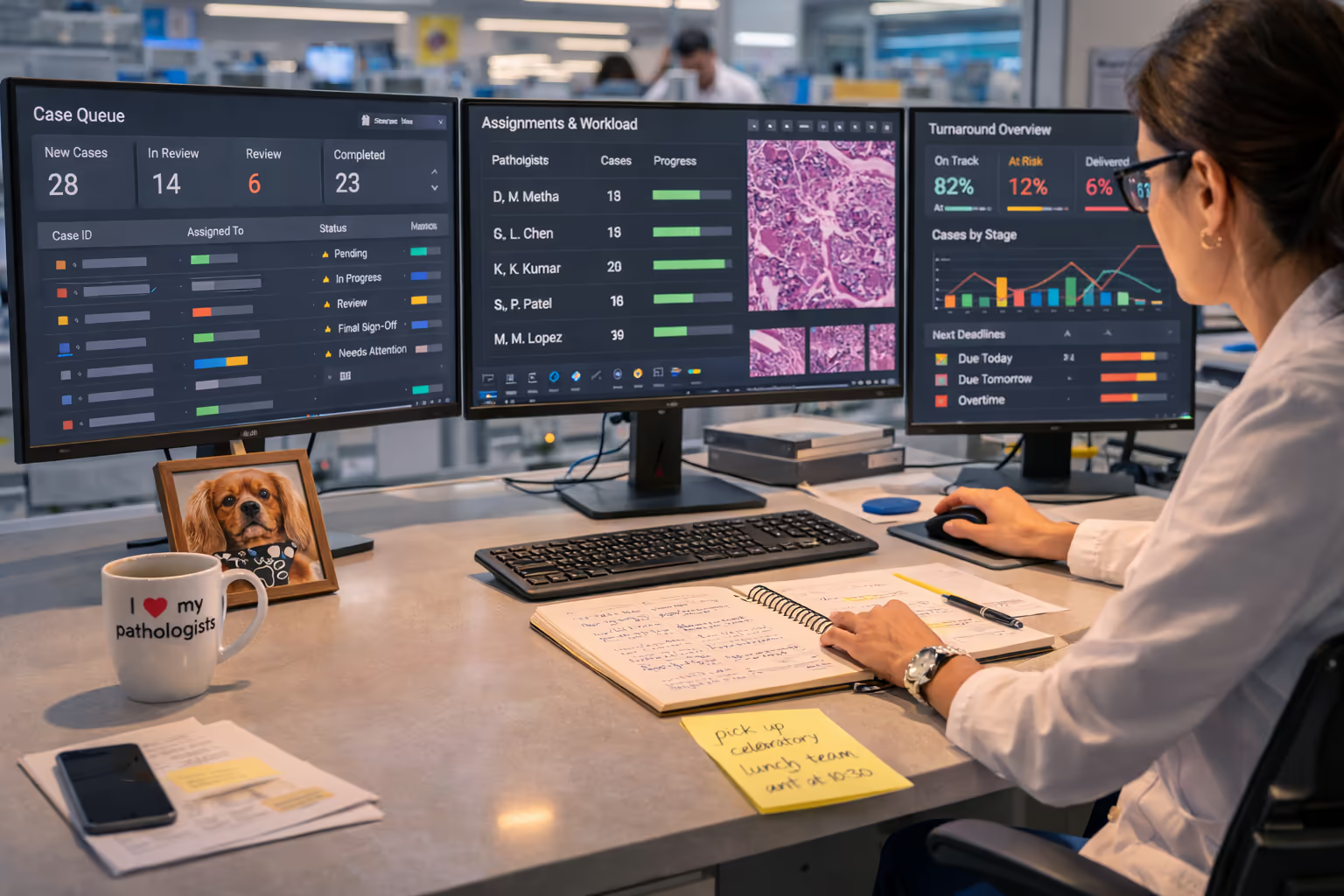
HyperPath’s digital imaging capability delivers full-resolution, whole-slide imaging through our cloud-based pathology solutions. No dedicated hardware or local software is needed, so your team can focus on the work, not the tools. We are vendor neutral so you aren't stuck with proprietary viewers and formats.
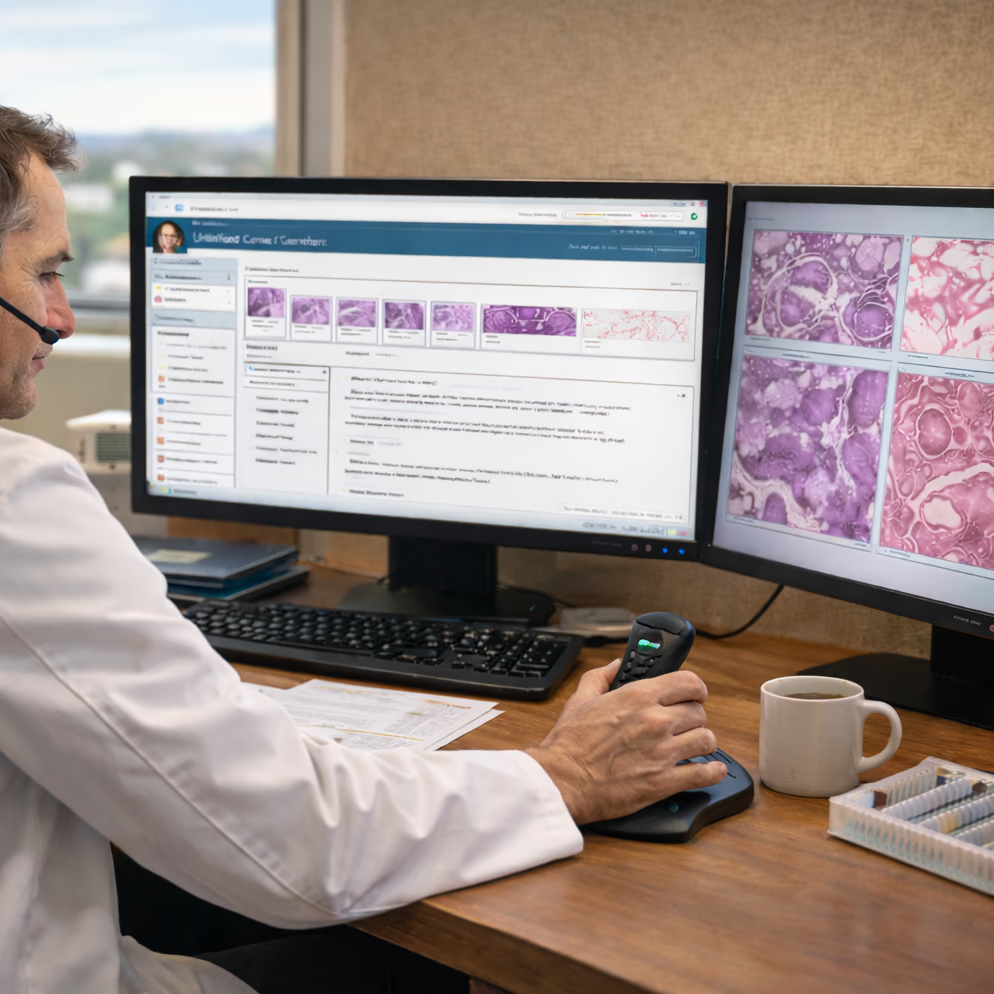
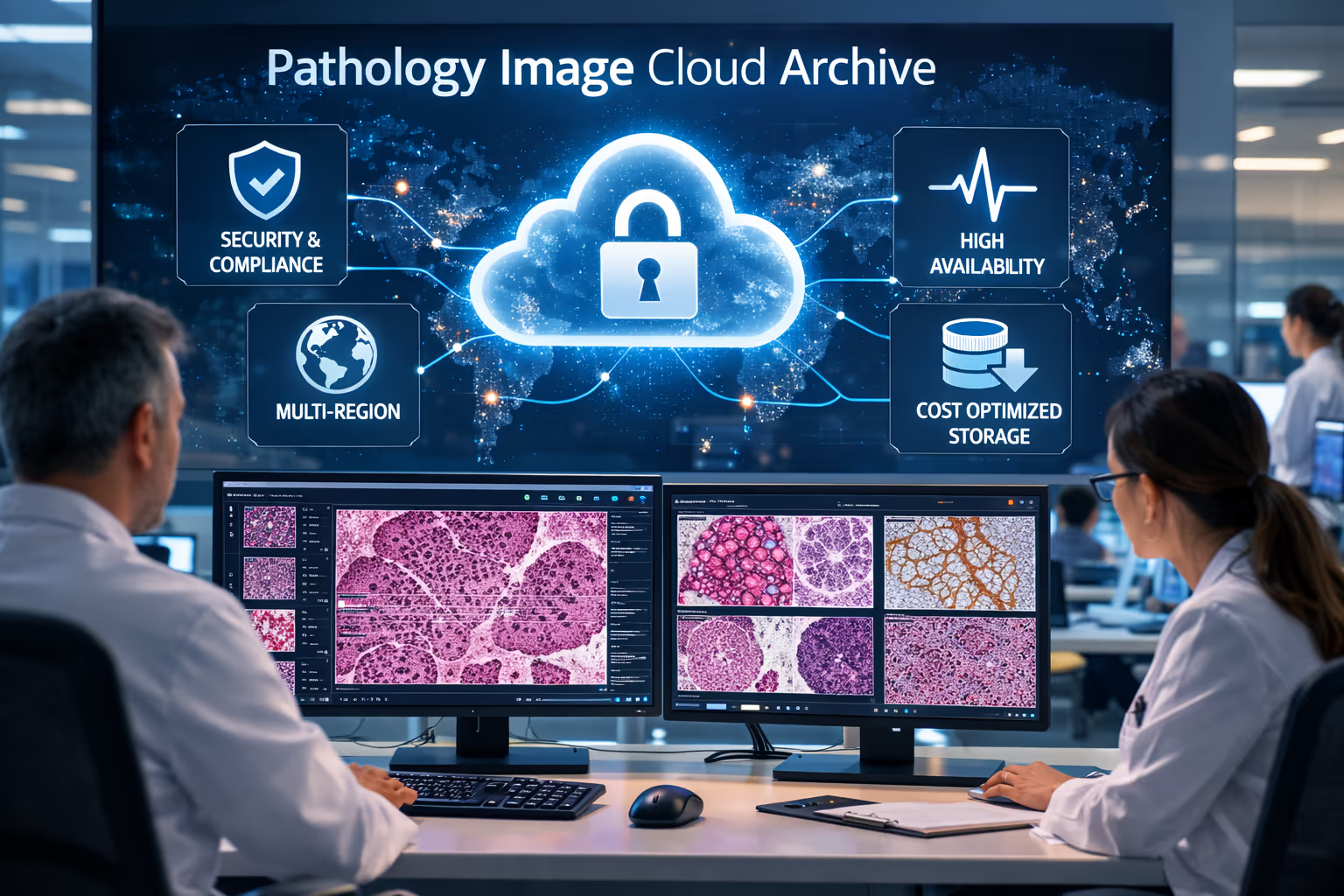
HyperPath Vault provides secure, cloud-based archiving of digital slide images in DICOM format. This prevents vendor lock-in and ensures long-term institutional control over your data.
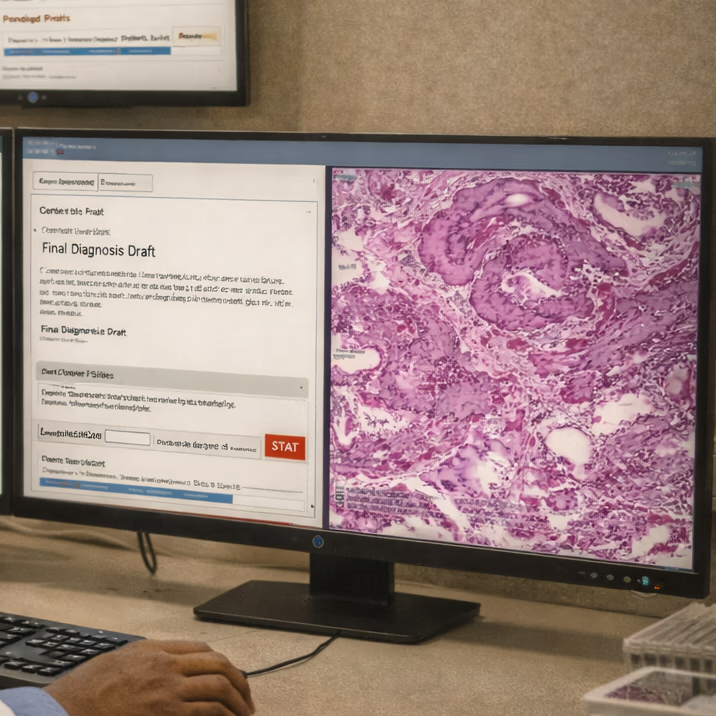
HyperPath Authoring is a fully integrated clinical reporting solution that supports both traditional free-text and structured reporting. This allows departments to adopt structured data capture at their own pace. With real-time edit checking that you define (or use industry standards), HyperPath Authoring improves reporting speed, consistency and accuracy.
Our AI-assisted pathology reporting helps pathologists generate accurate reports more efficiently by translating natural dictation into structured report elements—without relying on AI for diagnostic interpretation.
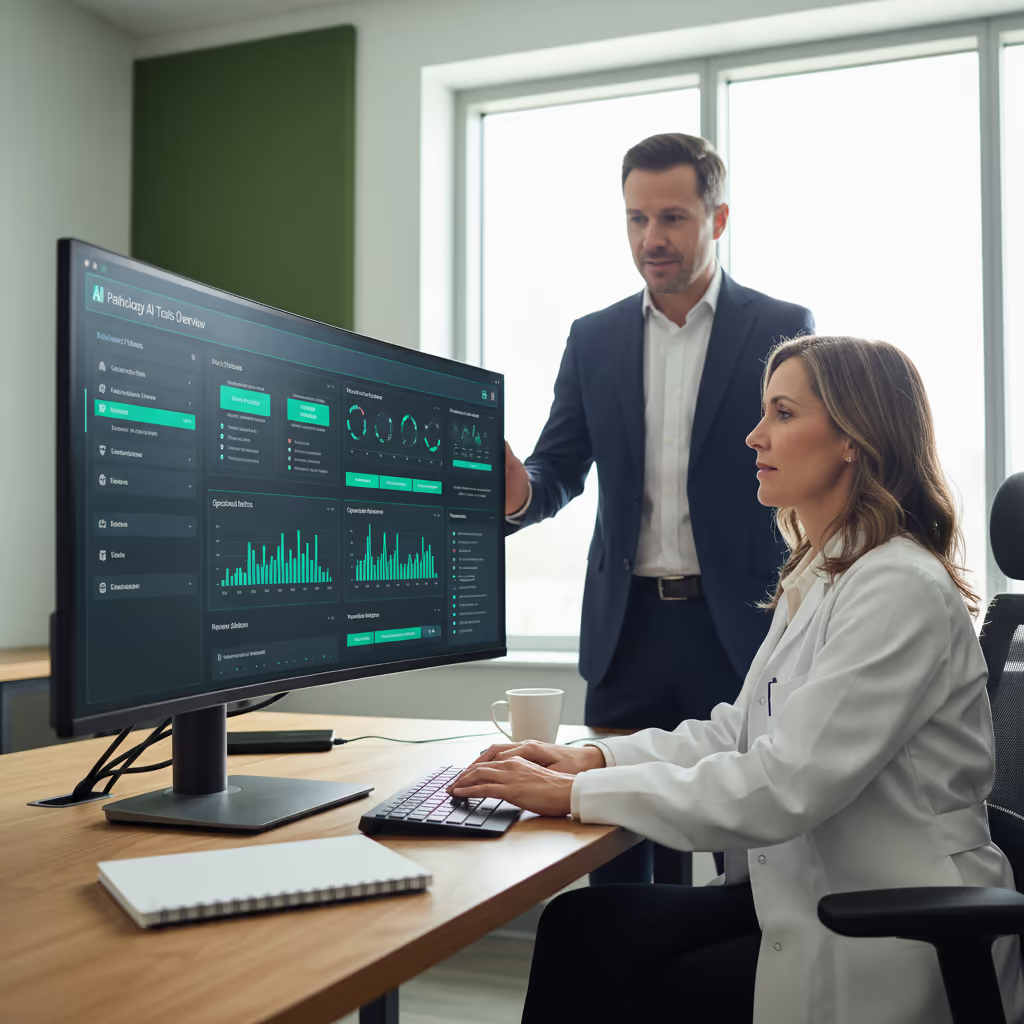
AI algorithms — whether built by HyperPath Solutions or integrated from partners — are governed, validated, and operationalized through AI Steward
AI Steward helps the department stay in compliance with your use of AI tools. This minimizes risk and ensures consistent use with your AI strategy.
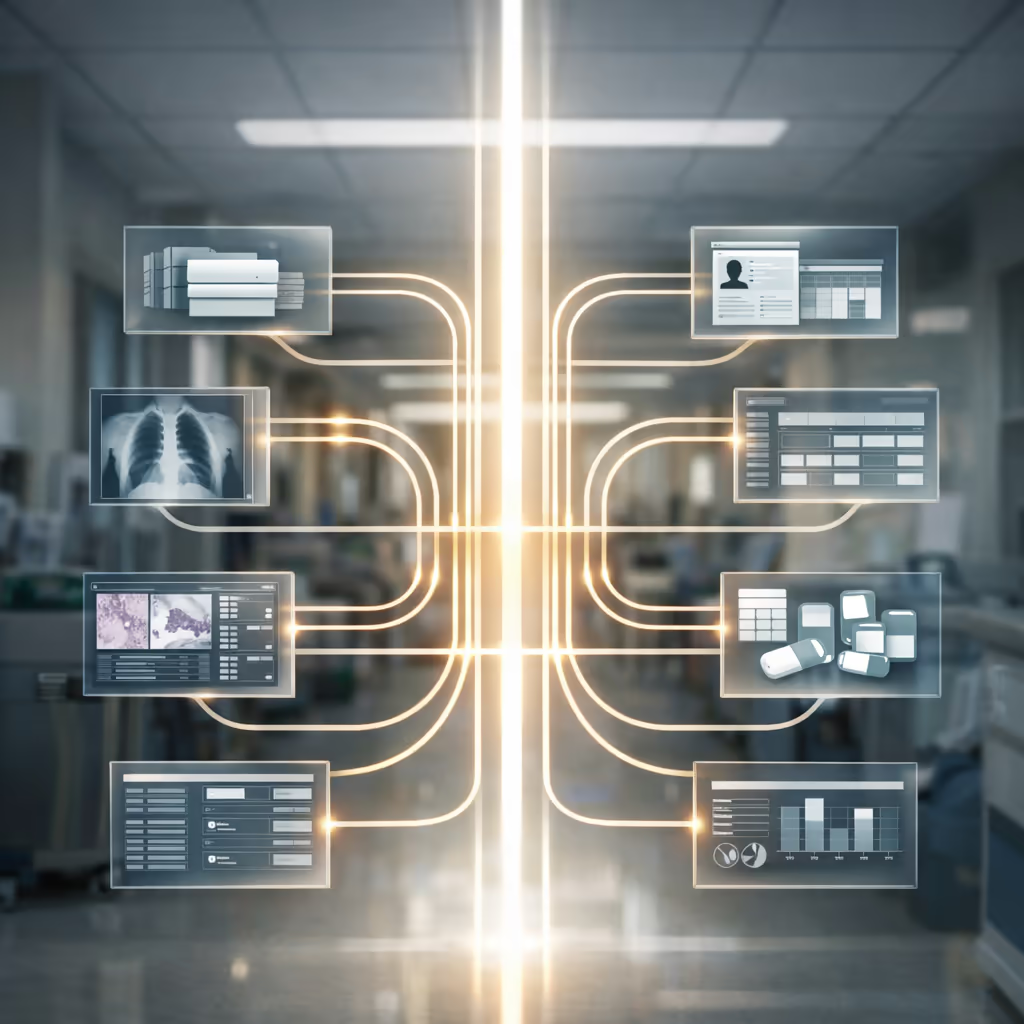
HyperPath Bridge connects pathology workflow directly into the enterprise clinical and operational systems that matter most — reducing reliance on isolated departmental tools over time. Bridge is designed to integrate cleanly with EMRs, LIS platforms, and hospital information systems, ensuring that pathology cases, reports, and status updates are part of the broader clinical record — not trapped inside disconnected viewers or standalone applications.
If you are exploring how to improve the productivity and economics of your pathology department, we can start with a practical conversation focused on your environment, your constraints, and where pathology workflow optimization is possible.
Start a Conversation